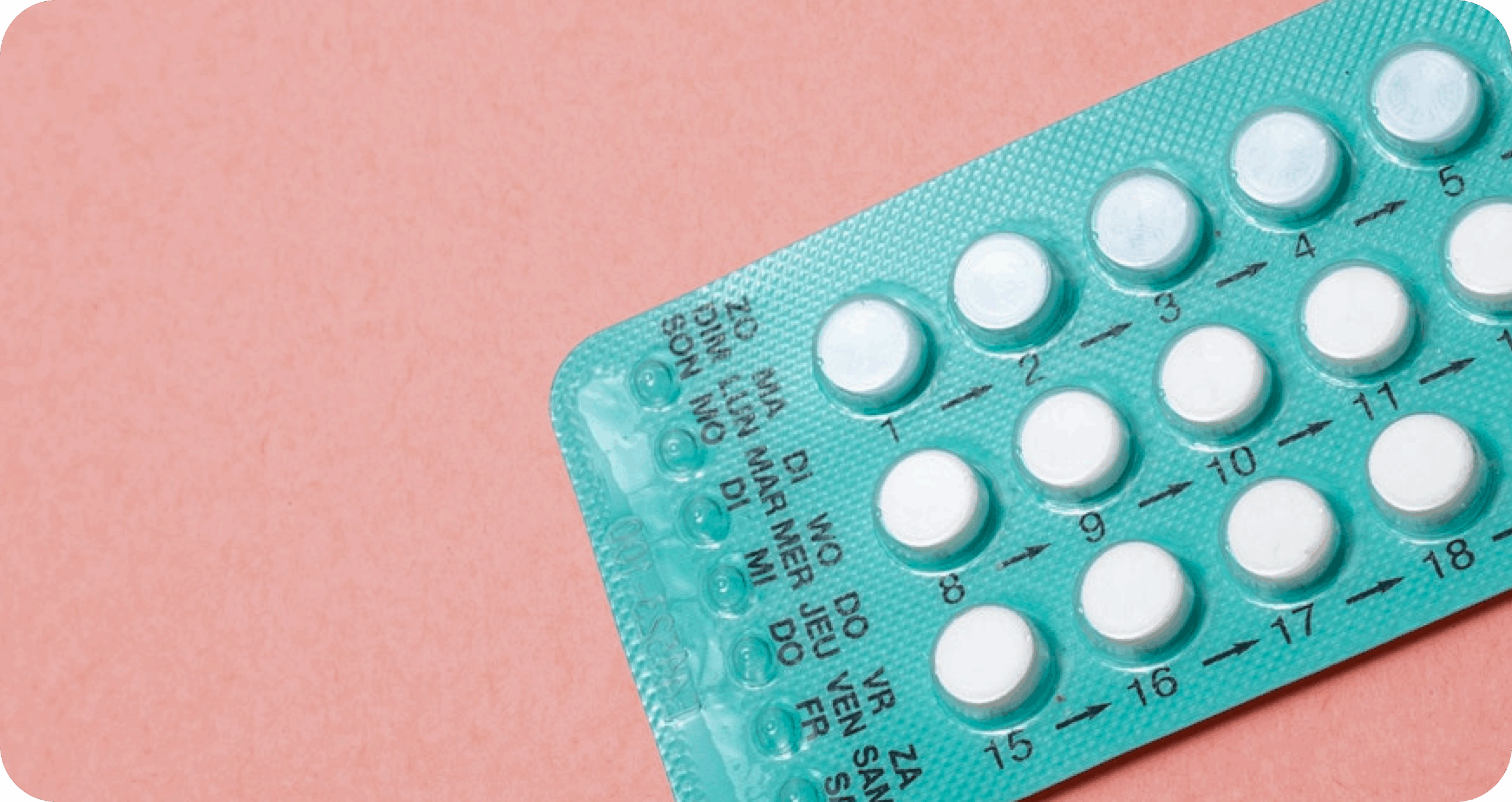
Emergency contraception (EC) is a safe, effective way to reduce the chance of pregnancy after unprotected sex or contraceptive failure. It works best when taken as soon as possible — ideally within 72 hours, though some options work up to 120 hours. EC is not the same as an abortion pill and does not end an existing pregnancy. Residents of Fremont, CA can access EC over the counter at most local pharmacies without a prescription.
Life doesn’t always go according to plan. Condoms break. A pill is missed. Unexpected situations happen. Whatever the reason, knowing your emergency contraception options before you need them can make a real difference when time is tight.
This guide breaks down everything you need to know about emergency contraception in plain language — what it is, how it works, which option might be right for you, and where to find it in Fremont, California.
What Is Emergency Contraception?
Emergency contraception is a type of birth control used after unprotected sex to reduce the risk of pregnancy. It’s not a replacement for regular contraception — think of it as a backup plan, not a primary method.
There are several types of emergency contraception available today. The most widely known is the morning after pill, but there are other options worth understanding, especially if weight, timing, or access are factors for you.
A key point many people misunderstand: emergency contraception prevents pregnancy — it does not end one. If you’re already pregnant, EC will not affect that pregnancy.
Types of Emergency Contraception
1. Levonorgestrel Pills (Plan B and Generic Versions)
This is the most widely available morning after pill in the United States. Levonorgestrel is a synthetic hormone that works mainly by delaying or preventing ovulation.
Key facts:
- Available over the counter at most pharmacies in Fremont without a prescription
- Most effective when taken within 72 hours of unprotected sex
- Can still reduce pregnancy risk up to 120 hours (5 days) after — but effectiveness drops over time
- May be less effective for people over 165–175 lbs — ask your pharmacist about alternatives
- Common side effects include nausea, headache, and irregular spotting
2. Ella (Ulipristal Acetate)
Ella is a prescription-only emergency contraceptive pill that works differently from levonorgestrel. It’s a selective progesterone receptor modulator, which means it delays or inhibits ovulation even when taken later in the cycle.
Key facts:
- Requires a prescription — your Fremont-area OB-GYN, urgent care, or telehealth provider can prescribe it quickly
- Effective up to 120 hours (5 days) after unprotected sex
- Maintains effectiveness more consistently across that 5-day window compared to levonorgestrel
- May be a better option for people with higher body weight
- Do not take with Plan B — they can interfere with each other
3. The Copper IUD (Paragard)
The copper intrauterine device (IUD) is the most effective form of emergency contraception available — over 99% effective when inserted within 5 days of unprotected sex. It works by creating a hostile environment for sperm and can also prevent implantation.
Key facts:
- Must be inserted by a healthcare provider — call your OB-GYN or visit a reproductive health clinic in the Fremont or greater Bay Area
- Provides ongoing contraception for up to 10–12 years after insertion
- Not affected by body weight
- May cause cramping and heavier periods, especially initially
- A great option if you’re also looking for long-term contraception
How Soon Should You Take Emergency Contraception?
The short answer: as soon as possible.
With levonorgestrel pills like Plan B, effectiveness is highest in the first 24 hours after unprotected sex. Studies show it reduces pregnancy risk by up to 95% within that window. By 72 hours, that drops to around 88%, and by 120 hours it drops further.
Ella and the copper IUD maintain stronger effectiveness across the full 5-day window, making them better choices if you’re past that initial 24–72 hour period.
If you’re in Fremont and it’s outside pharmacy hours, check 24-hour pharmacies or urgent care clinics nearby — time genuinely matters here.
Emergency Contraception vs. Abortion: Understanding the Difference
This is one of the most common points of confusion, so let’s be direct.
Emergency contraception prevents pregnancy from occurring. It works before a fertilized egg implants in the uterus. Once a pregnancy is established, EC has no effect on it.
An abortion pill (mifepristone/misoprostol) terminates an existing pregnancy. These are two completely different medications with different mechanisms, used in different circumstances.
If you’re uncertain about which situation applies to you, a pharmacist or healthcare provider can help clarify.
Who Can Use Emergency Contraception?
Most people with a uterus can safely use EC. There are very few medical conditions that make EC unsafe — your pharmacist can help you assess your specific situation.
A few considerations:
- If you’re currently on hormonal birth control, EC may still be recommended after contraceptive failure — talk to your provider
- Ella should not be used if you’re breastfeeding (levonorgestrel is considered safer in that situation)
- There are no age restrictions for purchasing levonorgestrel EC over the counter in California
- If you have a history of ectopic pregnancy, speak with a healthcare provider before taking EC
Getting Emergency Contraception in Fremont, California
Fremont residents have several accessible options for obtaining emergency contraception:
- Over-the-counter at local pharmacies — no prescription or ID required for levonorgestrel options in California
- Telehealth services — can prescribe Ella quickly, often within hours
- Planned Parenthood locations in the Bay Area — offer EC and IUD insertion services
- Urgent care clinics in Fremont and neighboring Newark, Union City, and Milpitas
- Your primary care provider or OB-GYN — for Ella prescriptions or copper IUD insertion
California law is particularly supportive of reproductive health access. Pharmacists in California can also prescribe hormonal contraceptives directly, which means your local pharmacy may be your fastest and most convenient first stop.
What to Expect After Taking Emergency Contraception
Side effects vary by person and by which EC method you use, but common ones with pill-based options include:
- Nausea (most common — taking EC with food can help)
- Headache or dizziness
- Fatigue
- Breast tenderness
- Irregular bleeding or spotting before your next period
Your next period may arrive earlier or later than expected. If it’s more than a week late, take a pregnancy test.
With the copper IUD, you may experience cramping during and after insertion, along with heavier periods for the first few months. Most people find this settles down over time.
Frequently Asked Questions About Emergency Contraception
Can I use emergency contraception as a regular form of birth control?
It’s not recommended. EC is designed for occasional emergency use — it’s less effective than regular contraception methods and can cause hormonal disruption if used frequently. If you find yourself needing EC regularly, it may be worth speaking to a pharmacist or provider about long-term contraception options that better suit your lifestyle.
Does the morning after pill protect against STIs?
No. Emergency contraception only reduces the risk of pregnancy — it offers no protection against sexually transmitted infections. If STI exposure is a concern, visit a healthcare provider or sexual health clinic for testing and appropriate treatment.
Can I get emergency contraception for free in California?
Many insurance plans in California cover EC at no cost. If you’re uninsured, Planned Parenthood and some county health programs offer EC at reduced or no cost. Ask your pharmacist or call your local health department for current options in Fremont.
Will the morning after pill affect my future fertility?
No. There is no evidence that using EC — even multiple times — affects your long-term ability to get pregnant. Fertility typically returns to normal with your next menstrual cycle.
What if I vomit after taking the morning after pill?
If you vomit within 2 hours of taking a levonorgestrel pill, the dose may not have been fully absorbed. Contact a pharmacist or healthcare provider — you may need to take another dose. Anti-nausea medication beforehand can help if nausea is a concern.
Is there an age restriction to buy the morning after pill in California?
No. In California, there is no age requirement to purchase levonorgestrel emergency contraception over the counter. Anyone can buy it at a pharmacy without a prescription or ID.
Conclusion
Emergency contraception is a safe, legal, and important part of reproductive healthcare. Whether it’s a Plan B from your local Fremont pharmacy or a copper IUD from a clinic, understanding your options means you can act confidently when it matters most.
If you’re unsure which option is right for your situation, don’t hesitate to ask a pharmacist — they’re trained to help without judgment, and in many cases they can guide you to the fastest and most effective solution given your timing.
Being informed is the first step. The rest is just knowing who to ask.