Malaria prevention advice comes down to four steps known as ABCD: Awareness of risk, Bite avoidance, Chemoprophylaxis (antimalarial tablets), and prompt Diagnosis if you fall ill. Book a travel health consultation 4-6 weeks before you fly, take any prescribed antimalarials exactly as directed before, during, and after your trip, and seek medical help immediately if you develop a fever within a year of returning from a malaria-risk area. Your local pharmacy in Coventry can assess your risk, prescribe antimalarials, and support you through the New Medicine Service once you start treatment.
If you’re planning a trip to a malaria-risk country, whether it’s a family visit to Nigeria, a safari in Kenya, or backpacking through Southeast Asia, getting the right malaria prevention advice before you travel isn’t optional extra planning, it’s essential. Malaria remains one of the most serious travel-related illnesses, yet it’s also one of the most preventable, provided you take the right precautions at the right time. This guide walks you through exactly what to do before, during, and after your trip, and explains how your local pharmacy in Coventry can help every step of the way.
Why Malaria Prevention Matters for Coventry Travellers
Coventry is a genuinely international city, with strong community ties to parts of Africa, South Asia, and the Caribbean where malaria is present. Every year, thousands of local residents travel to visit family, for business, or for holidays in countries where malaria-carrying mosquitoes are common. The UK still sees around 1,500 to 2,000 imported malaria cases annually, and the vast majority happen in people who didn’t take antimalarial tablets, or didn’t take them correctly. The good news is that with proper planning, malaria is almost entirely avoidable.
Before You Travel: Planning Your Malaria Prevention
1. Check Your Risk Early
Malaria risk varies enormously by country, region, altitude, and even season. Some areas of a country may carry high risk while others carry none at all. Rather than guessing, speak to a pharmacist or travel health advisor who can check your itinerary against up-to-date risk maps. This should happen at least 4-6 weeks before departure, since some antimalarial courses need to start well before you fly.
2. Book a Travel Health Consultation
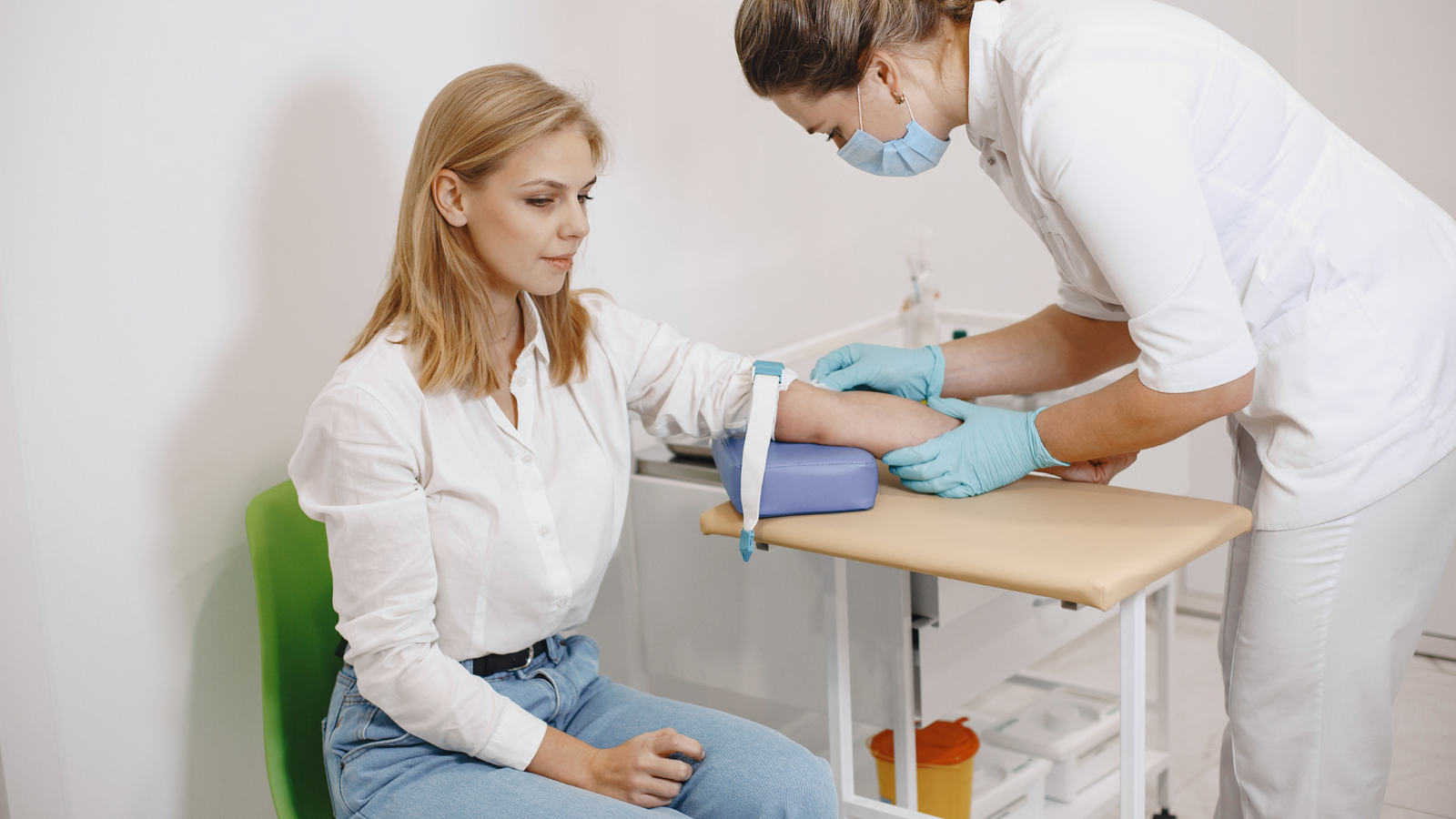
A proper travel consultation covers more than just malaria. It looks at routine vaccinations, food and water precautions, altitude sickness, and any specific risks tied to your destination. If you’re searching for a travel clinic in Coventry, Mountnod Pharmacy offers consultations without the need for a GP referral, meaning you can get seen quickly rather than waiting weeks for a GP appointment.
3. Choose the Right Antimalarial Tablets
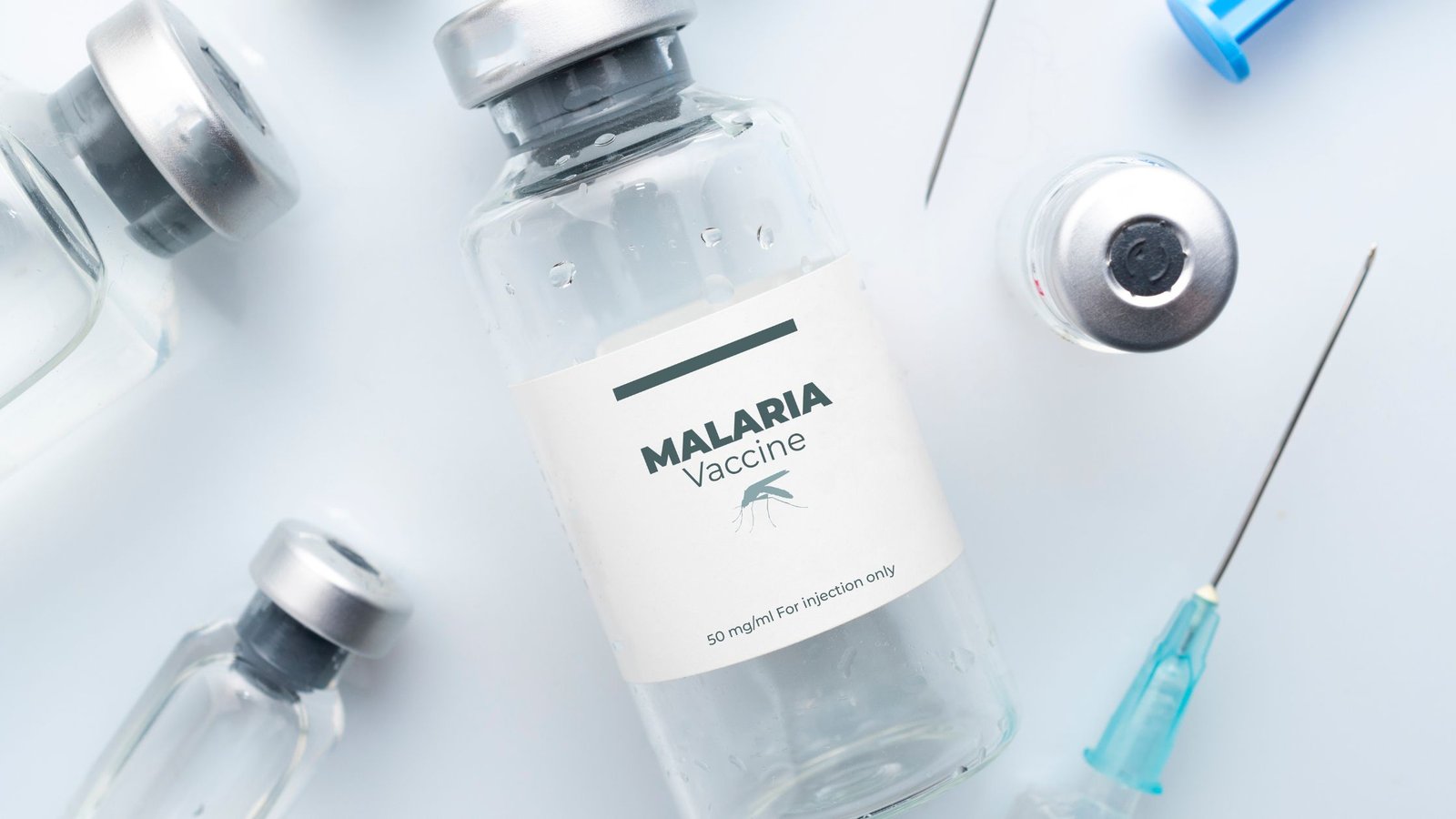
There’s no single antimalarial that suits everyone. The choice depends on your destination, medical history, other medications, pregnancy status, and even how good you are at remembering to take tablets daily versus weekly. Common options prescribed in the UK include Atovaquone-proguanil, Doxycycline, and Mefloquine, each with different start times, dosing schedules, and side-effect profiles. A pharmacist-led consultation will match the right option to your trip and your health.
4. Get Registered on the New Medicine Service
If this is your first time taking a particular antimalarial, ask about the New Medicine Service (NMS). This free NHS service, available at community pharmacies, gives you a follow-up check-in shortly after you start a new medicine, so any side effects or concerns are picked up early rather than left until it’s too late to adjust your plan before you travel.
During Your Trip: Staying Protected
Take Bite Avoidance Seriously
Antimalarial tablets reduce your risk but don’t eliminate it entirely, so bite avoidance is just as important. Mosquitoes that spread malaria bite mainly between dusk and dawn, so this is when precautions matter most.
- Use an insect repellent containing at least 50% DEET on exposed skin
- Sleep under a permethrin-treated mosquito net if air conditioning or good screening isn’t available
- Wear long sleeves and trousers in the evening, especially in rural or low-lying areas
- Use plug-in or knockdown insecticides indoors overnight
Stick to Your Antimalarial Schedule
Missed doses are one of the biggest reasons preventable malaria cases still happen. Set a daily phone reminder, keep tablets somewhere visible like your washbag, and pack enough for the entire trip plus a few days’ buffer in case of travel delays. Never stop early just because you feel well; some antimalarials must be continued for a set number of days after you return home.
Know the Early Warning Signs
Fever, chills, headache, muscle aches, and a general flu-like feeling are the classic early symptoms of malaria. If these appear while you’re still abroad, seek medical attention straight away rather than waiting to get home.
After You Return: What to Watch For
Malaria Can Appear Weeks or Months Later
This is the detail people most often miss. Malaria symptoms can develop up to a year after returning from a risk area, even if you took your antimalarials correctly. If you develop a fever, sweats, or flu-like symptoms at any point in the following twelve months, tell your doctor or pharmacist that you’ve travelled, even if the trip feels like old news by then.
Finish the Full Course
Some antimalarial medicines require you to keep taking tablets for one to four weeks after leaving the risk area, since the medicine is still clearing parasites from your liver during this window. Stopping early is one of the most common and most avoidable causes of malaria diagnosed after return to the UK.
Get Medical Help Quickly if Unwell
Malaria is a medical emergency if untreated, but it responds very well to prompt treatment. If you feel unwell after travelling, don’t wait it out, contact your GP or NHS 111 immediately and mention your travel history clearly.
How Mountnod Pharmacy Supports Coventry Travellers
Whether you live near Mountnod Park, Tile Hill, Allesley, Earlsdon, Whitley, or Cannon Park, you don’t need to travel across the city or book weeks ahead to get proper travel health advice. Our pharmacy team offers risk assessments, antimalarial prescriptions, vaccinations, and New Medicine Service follow-ups, all without a GP referral. If you’ve been searching for a pharmacy near me that actually has time to talk through your travel plans properly, that’s exactly what a same-day pharmacy consultation is designed for.
Frequently Asked Questions
How far in advance should I get malaria prevention advice before travelling?
Ideally 4-6 weeks before you fly. Some antimalarial tablets need to be started 1-3 weeks before arrival in a risk area, so leaving it to the last minute limits your options.
Can I get malaria tablets from a pharmacy without seeing my GP?
Yes. Community pharmacies offering travel health services, including Mountnod Pharmacy, can assess your risk and supply antimalarials directly, with no GP referral needed.
Do I still need antimalarials if I grew up in a malaria-risk country?
Yes. Any natural immunity fades within a few years of leaving, so returning residents and visiting family members are still advised to take full precautions.
What should I do if I feel unwell after returning from a malaria-risk area?
Contact your GP or NHS 111 straight away and mention your travel history, even if it was several months ago. Malaria can develop up to a year after your return.
Are malaria tablets safe during pregnancy?
Some are, and some aren’t. This is exactly the kind of question a travel health consultation is built to answer, since the right choice depends on your specific trimester and destination.
Conclusion
Malaria is one of the few travel illnesses that’s almost entirely preventable, but only if you plan ahead, take your medication properly, and stay alert to symptoms for months after you return. If you’re travelling from Coventry to a malaria-risk destination, don’t leave your preparation to the last minute. Pop into Mountnod Pharmacy for a travel health consultation, get matched with the right antimalarial, and travel with genuine peace of mind.